Tidegate Maritime wave markTIDEGATEMARITIMEEnquire

PORT GUIDE · ABIDJAN

Port of Abidjan: draft, berths and discharge performance.

Abidjan is the largest port on the West African range and our home port. This guide sets out the access constraints, cargo handling performance and laytime exposure that decide whether a fixture works — written from the chartering desk, for charterers and owners assessing a call.

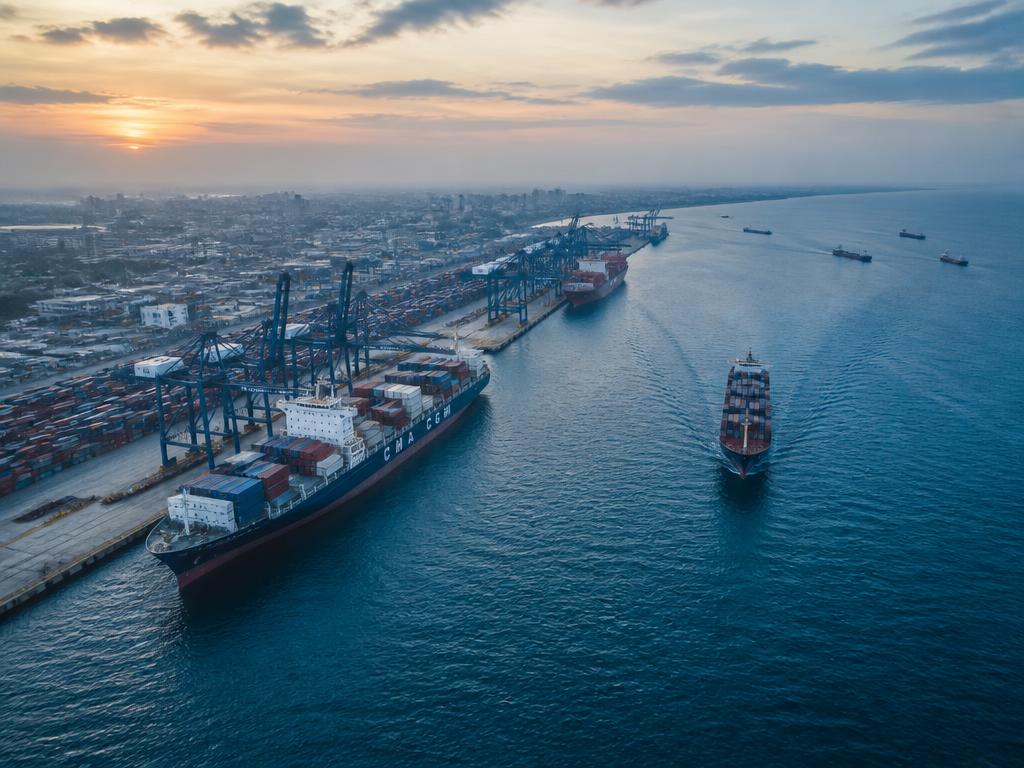
Bulk and container terminal at the Port of Abidjan

ACCESS & LIMITS

Everything at Abidjan starts with the Vridi Canal.

PORT AUTHORITYPort Autonome d'Abidjan (PAA), Côte d'Ivoire
ACCESSVridi Canal, the single entrance from the Gulf of Guinea into the Ébrié Lagoon
CANAL DIMENSIONSWidened and deepened under the 2019 extension — approximately 1,200 m long and 400 m wide, dredged to roughly 18 m
MAXIMUM VESSEL SIZEIndicatively up to about 350 m LOA and 16 m draft post-extension, subject to PAA authorisation and berth-specific limits
PILOTAGECompulsory; daylight and tidal windows apply to larger units
ANCHORAGEOpen roadstead off Vridi; exposed to Atlantic swell in the rainy season

Figures are indicative planning guidance only. Applicable limits are those confirmed by the port authority, terminal and local agent at the time of the call.

CARGO HANDLING

Indicative discharge performance by cargo type.

CARGOMETHODINDICATIVE RATE
Dry bulk / grainGrab discharge into hoppers and trucks; pneumatic suction available for grain at certain berthsIndicatively 3,000–8,000 t/day per vessel depending on grabs, hoppers and evacuation
Bagged cargo (rice, sugar, fertiliser)Bagging in hold or ashore; shore labour dependentIndicatively 1,500–3,500 t/day; shift patterns and inland trucking are the usual constraint
Clinker & mineralsGrab discharge to shed or direct to truckIndicatively 3,000–6,000 t/day
Liquid bulk — vegetable oilsShore lines to tank farms serving the regional processing industryPump rate governed by ship's pumps and shore line size; typically 200–500 m³/h
Liquid bulk — clean productsDedicated oil berths serving refinery and distribution storageTerminal-nominated rates; vetting and coating/last-cargo history are decisive
Breakbulk / projectMultipurpose quays with mobile harbour cranes; heavy lift by ship's gearPiece-rate driven; pre-agreed lifting plan required

Rates reflect what we would use as a starting assumption when appraising a fixture. They vary with berth allocation, shore evacuation, labour shifts and cargo condition, and should be confirmed against the terminal's own norms before laytime is agreed.

WHAT DECIDES THE ECONOMICS

DRAFT

Sailing draft, not just arrival draft

The canal limit governs both ends of the call. A vessel that enters at full summer draft may still need a departure tidal window if it loads on the range. Fix the maximum draft with the agent before the recap, not after.

LAYTIME

Where demurrage is actually created

At Abidjan, most demurrage comes from berth waiting and from evacuation capacity ashore, not from gear failure. Definitions of berth/port charter, WIPON/WIBON wording and shifting time should be negotiated with that in mind.

PARCEL SIZE

Sizing the parcel to the berth

Handysize and Supramax units cover most regional dry bulk imports. Larger units can be worked, but the economics depend on discharge rate and on whether part-cargo can be released to a second port.

SEASONALITY

Swell, rain and cargo protection

The rainy season affects grab discharge of moisture-sensitive cargoes and anchorage comfort. Rain stoppage clauses and hold-cleanliness standards deserve attention in the fixture.

Planning a call at Abidjan?

Send us the cargo, the parcel size and the laycan. We will come back with the tonnage that fits the berth and a realistic view of laytime exposure.